
20 Sep Septic Tank Additives: Do They Really Work?
Every homeowner across North Carolina and South Carolina with an onsite wastewater system faces the same temptation at some point. You are walking down the aisle of a hardware store in Myrtle Beach or Wilmington, or scrolling online, when you see products promising to eliminate the need for pumping forever. These bottles and packets claim to break down sludge magically, unclog drain fields overnight, and save you thousands of dollars.
It sounds like a dream solution for property owners who want to avoid hassle in the coastal climate or red clay soils of the Carolinas. But before you pour anything down your drains, it is critical to separate marketing promises from environmental science.
Do septic tank additives actually perform as advertised, or are they a waste of money? Even worse, could some of these products harm your system?
According to the U.S. Environmental Protection Agency, more than 20 percent of households nationwide rely on individual wastewater systems, with millions of those homes located across North Carolina and South Carolina. Despite their popularity, misconceptions about maintenance remain widespread in our region. Let us dive into the facts, explore how these systems operate naturally, and expose the truth behind commercial products.
How Your Septic System Works Naturally
To understand why quick fixes rarely deliver on their promises, you must first understand how an onsite wastewater system functions without artificial intervention.
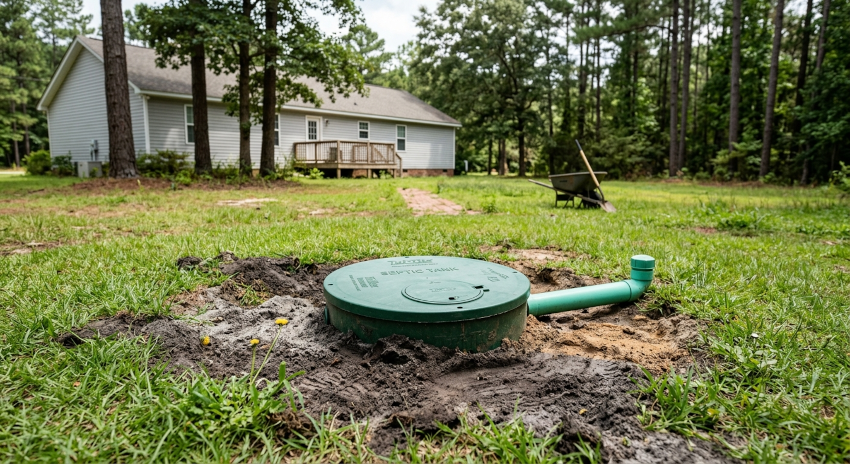
Your underground tank acts as a settling chamber for household wastewater. Every time you flush a toilet, run the washing machine, or wash dishes, that water enters the tank. Once inside, heavy solids settle to the bottom to form a sludge layer. Lighter materials like grease, oils, and soap scum float to the top to create a scum layer.
Between these two layers lies clarified liquid, known as effluent. This liquid flows out through baffles into the drain field, where surrounding soil filters out remaining impurities before returning clean water to the groundwater table.
This complex breakdown happens completely naturally. The human body supplies millions of naturally occurring microbes every time waste enters the pipes. These microscopic organisms feed on organic waste, breaking down sludge and maintaining a self-sustaining ecosystem. When working properly, your tank already contains all the active biology required to process everyday waste.
The Truth About Commercial Additives
Manufacturers categorize their products into various formulas, usually split into biological or chemical solutions. While their labels sound impressive, independent testing by university researchers and environmental agencies reveals a very different story.
Biological Treatments
Biological products consist primarily of septic tank enzymes and lab-grown microbes. Proponents claim these products jumpstart decomposition and enhance natural breakdown.
Adding external septic tank bacteria to a healthy, functioning tank is almost always unnecessary. The natural biological environment inside your tank is already dense and active. Adding a small pouch of store-bought microbes is like pouring a cup of fresh water into the Atlantic Ocean; it makes virtually no measurable difference to the overall biological load.
Enzyme treatments focus on breaking down fats, proteins, and starches into liquid form. While enzymes do liquefy solid waste, this action can actually create unexpected problems. When solids break down prematurely into tiny particles, they do not settle at the bottom as sludge. Instead, they remain suspended in the effluent and travel directly into your drain field. Over time, these suspended particles clog soil pores, leading to drain field failure, which is the most expensive repair a homeowner can face.
Chemical Solutions
Even more concerning are harsh septic tank chemical additives. These products often contain solvents, strong acids, or inorganic compounds marketed to dissolve severe blockages and heavy grease accumulation.
These harsh chemical mixtures often cause significant damage. Strong chemicals kill the beneficial microbial colonies residing inside your tank, effectively sterilizing the biological ecosystem. Without living microbes to process incoming waste, raw organic matter accumulates rapidly.
Chemical compounds can also corrode concrete tanks, degrade plastic pipes, and leach toxic pollutants directly into coastal sandy soil or piedmont groundwater. For these reasons, health departments in both North Carolina and South Carolina strongly discourage or explicitly restrict certain chemical treatments to protect local aquifers.
The Hidden Dangers of Relying on “Quick Fixes”
The biggest danger of using store-bought treatments is not just the wasted money. It is the false sense of security they provide to Carolinas homeowners.
When homeowners believe a monthly powder or liquid is taking care of their system, they often neglect essential maintenance like routine septic inspections and regular septic pumping. Sludge and scum layers continue to thicken naturally over time, regardless of what additives are used. Undigested solids eventually overflow into the absorption area, destroying the drain field.
In states like South Carolina and North Carolina, where heavy summer rainfall and shallow water tables can already stress drain fields, replacing a failed system can cost tens of thousands of dollars. Spending a few dollars a month on useless products to avoid routine care frequently leads to severe, avoidable financial consequences.
What Truly Helps Your System Thrive
If additives are not the answer, how can you keep your wastewater system running smoothly for decades? The best approach relies on proven management habits rather than chemical shortcuts.
Watch What Goes Down the Drain
Your system is designed to handle human waste and toilet paper. Flushing items like wet wipes, dental floss, paper towels, or feminine hygiene products leads to immediate blockages. Avoid pouring cooking oils, fats, or heavy coffee grounds down the sink, as these materials build up scum layers rapidly.
Mind Your Household Chemical Use
Excessive use of bleach, harsh drain cleaners, antibacterial soaps, and strong disinfectants kills the beneficial biological life inside your tank. While occasional light cleaning will not destroy your system, heavy daily use of anti-microbial chemicals disrupts natural decomposition.
Practice Water Conservation
Sending massive amounts of water through your plumbing all at once can overload the tank, especially during humid Carolina summers when groundwater levels are elevated. Heavy surges force settled solids out into the drain field before they have time to separate. Spread out laundry loads throughout the week and fix leaky faucets promptly.
Schedule Professional Maintenance
No additive can substitute for physically removing accumulated solids. Over time, non-digestible solids will always build up at the bottom of the tank.
The single best way to ensure long-term performance is by scheduling regular service with experienced professionals who understand local environmental conditions. Visiting Elvis Service Company provides access to expert technicians who evaluate sludge depth, check internal baffles, inspect drain fields, and perform thorough pump-outs.
Partnering with a reliable regional team ensures your system gets real care based on science, not retail gimmicks. If you suspect an issue or are due for a routine check, you can explore their comprehensive septic services to protect your property’s value.
Protect Your Investment the Right Way
When evaluating the best septic tank treatments, remember that nature already provided the ultimate solution. A healthy tank maintains its own biological balance when given the right conditions and proper care.
Save your money, avoid dangerous chemical products, and focus on smart daily habits. When your system needs attention, trust qualified technicians who understand the mechanics of onsite wastewater management in the Carolinas.
If you are experiencing slow drains, foul odors, or simply cannot remember the last time your tank was inspected, do not rely on a bottle from the store. Contact the local experts at Elvis Service Company today to schedule your professional inspection and pumping service!
No Comments